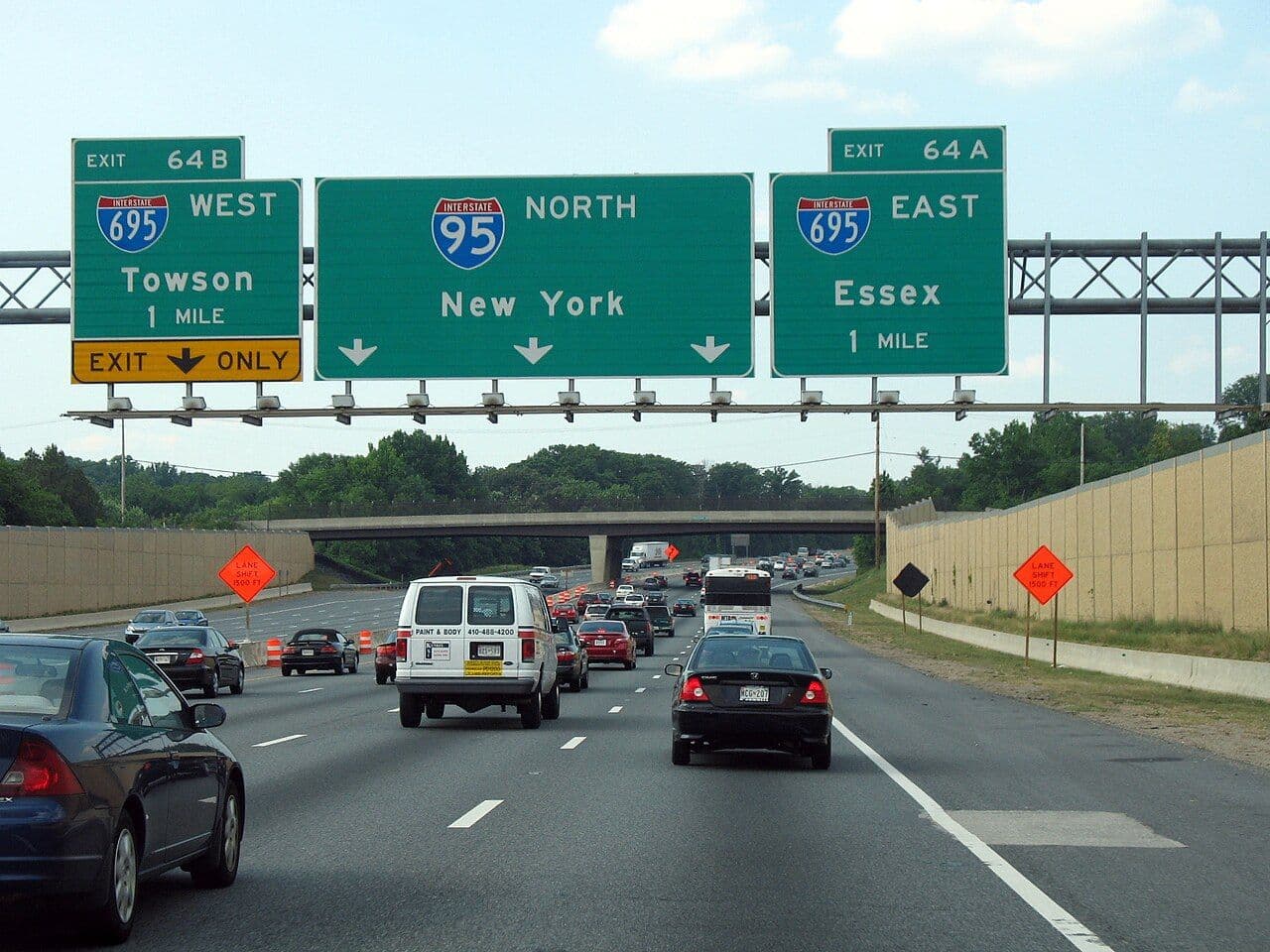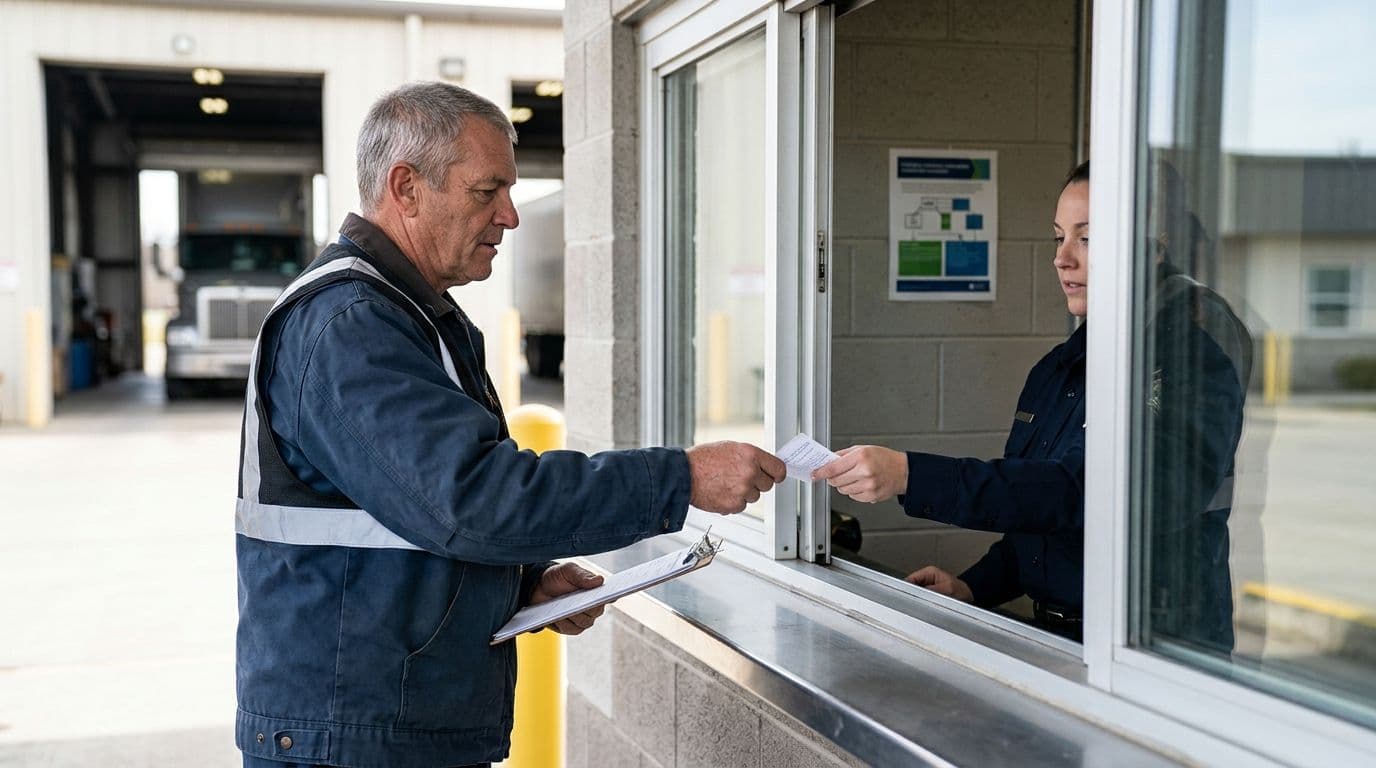

The Alabama Senate approved bill SB242, known as the Highway Fairness Act, this week. The document is promoted by Senator Lance Bell (R–Pell City). After the upper chamber vote, the initiative moves to the State House of Representatives, where its future will depend on relevant committees and the review calendar.
The bill text is available as a PDF on the state legislature's website: SB242 (introducing version). According to a regional publication covering the initiative's progress, the authors position the law as a tool to "remove bad actors from the roads" and enhance transport safety without changing federal rules but "integrating" them into state enforcement (1819 News).
SB242 focuses on two narrow but sensitive market topics: the eligibility of drivers using a commercial driver's license issued by a foreign country and the language requirement for operating commercial vehicles.
The first part is about entry/stay documents. The bill mandates that drivers operating commercial vehicles in Alabama with a foreign commercial license must carry and present "valid proof of entry documentation." Lawmakers intend this to simplify verifying the driver's legal presence and right to transport if relying on a foreign document.
The second part concerns the English language. SB242 establishes at the state law level the need to meet English proficiency requirements when operating commercial vehicles. The wording and logic are tied to the federal framework: it's not about introducing a "new Alabama exam," but about giving local control bodies a clear state mandate to apply the existing standard when encountering a driver on the road or at a weigh/control point.
Stay Updated with Industry News
Subscribe to our newsletter and get the latest trucking industry news, regulations updates, and career tips delivered to your inbox.
We respect your privacy. Unsubscribe at any time.
For the industry, this linkage is important because transferring the "federal norm" into state law usually increases predictability for inspectors and reduces room for on-the-spot interpretations: a specific article and set of consequences appear, rather than a reference "somewhere in federal rules." In practice, this often leads to more inspections and a stricter out-of-service/detention scenario if the law explicitly states powers and sanctions.
The most operationally sensitive part of SB242 is not the formulation of requirements itself, but the enforcement mechanism.
The bill provides for accountability measures and procedures affecting not only the driver but also the cargo/equipment. Among the stated elements is the possibility of fines and procedures related to the detention and subsequent storage of commercial vehicles upon finding violations regarding documents and/or non-compliance with the language requirement. For the carrier, this is a direct risk of "losing a shift" and missing a delivery window: even if the issue is solvable and documents can be presented later, the downtime of the tractor and trailer leads to a cascade of costs.
Separately, the bill introduces new offenses aimed at "severe" cases. The text describes liability for presenting a fake foreign commercial driver's license. Simultaneously, it outlines the offense of operating a commercial vehicle without proper supporting documents (in the bill's logic — without the required proof of entry/eligibility). Such a construct usually gives law enforcement more grounds to qualify the violation not as an "administrative formality," but as a separate act with independent consequences.