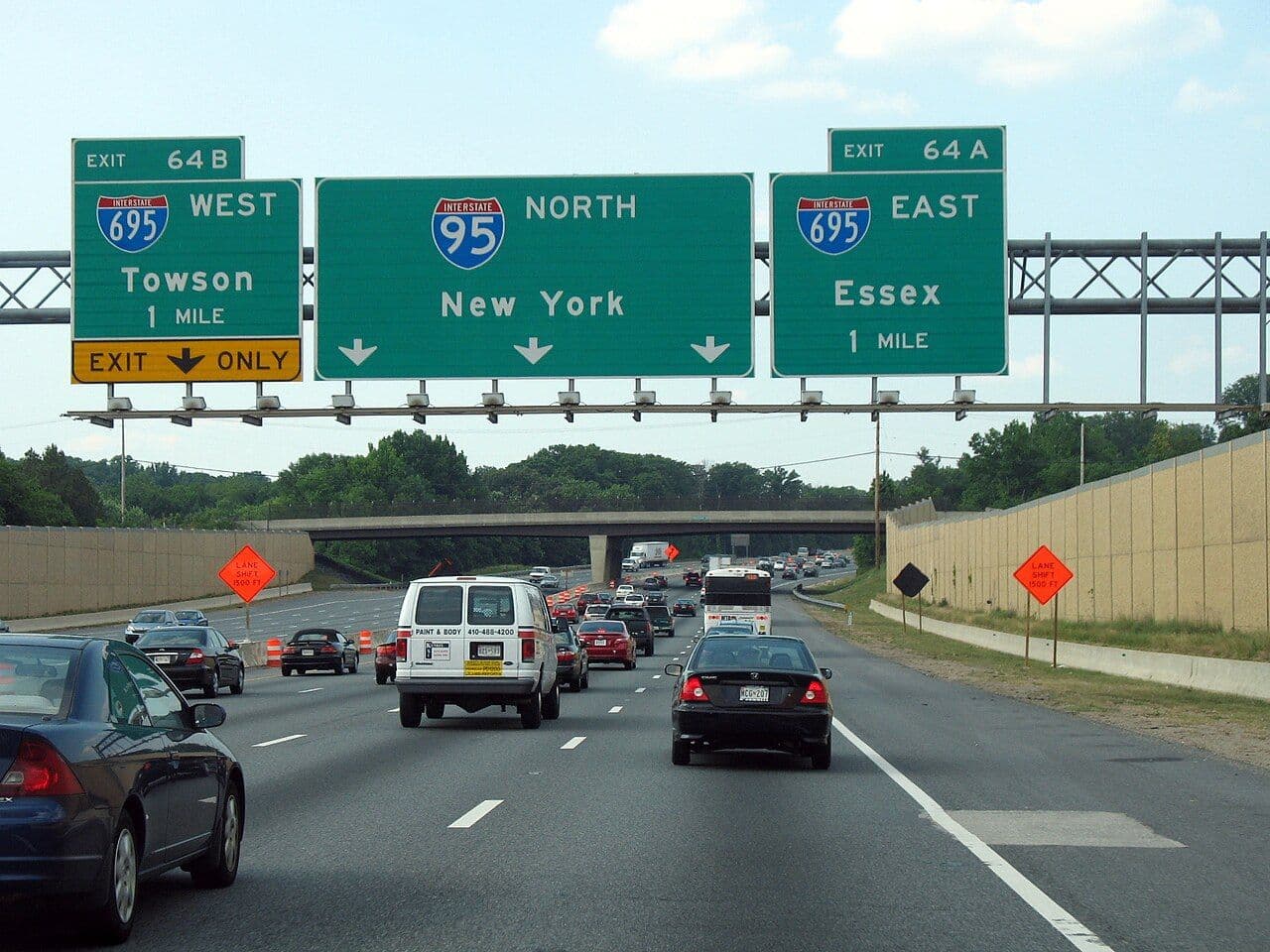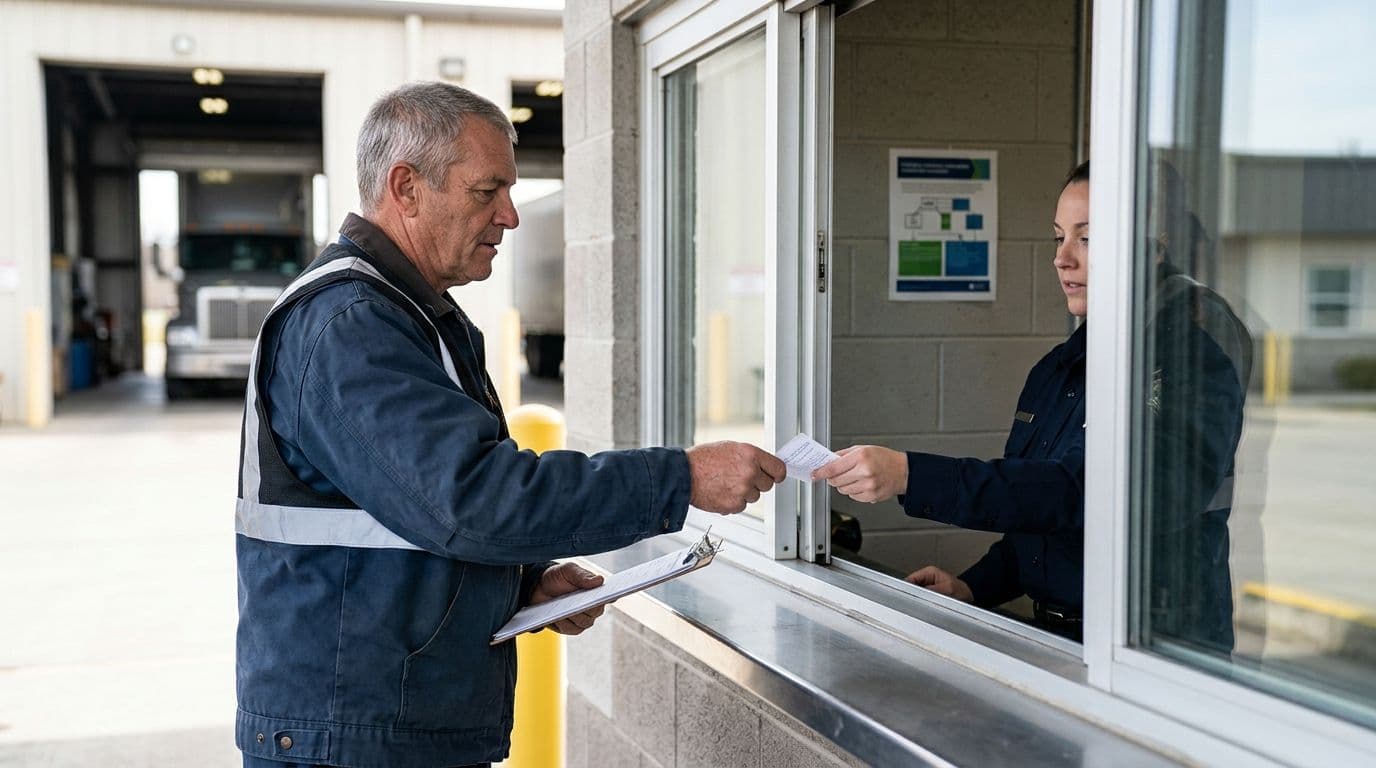
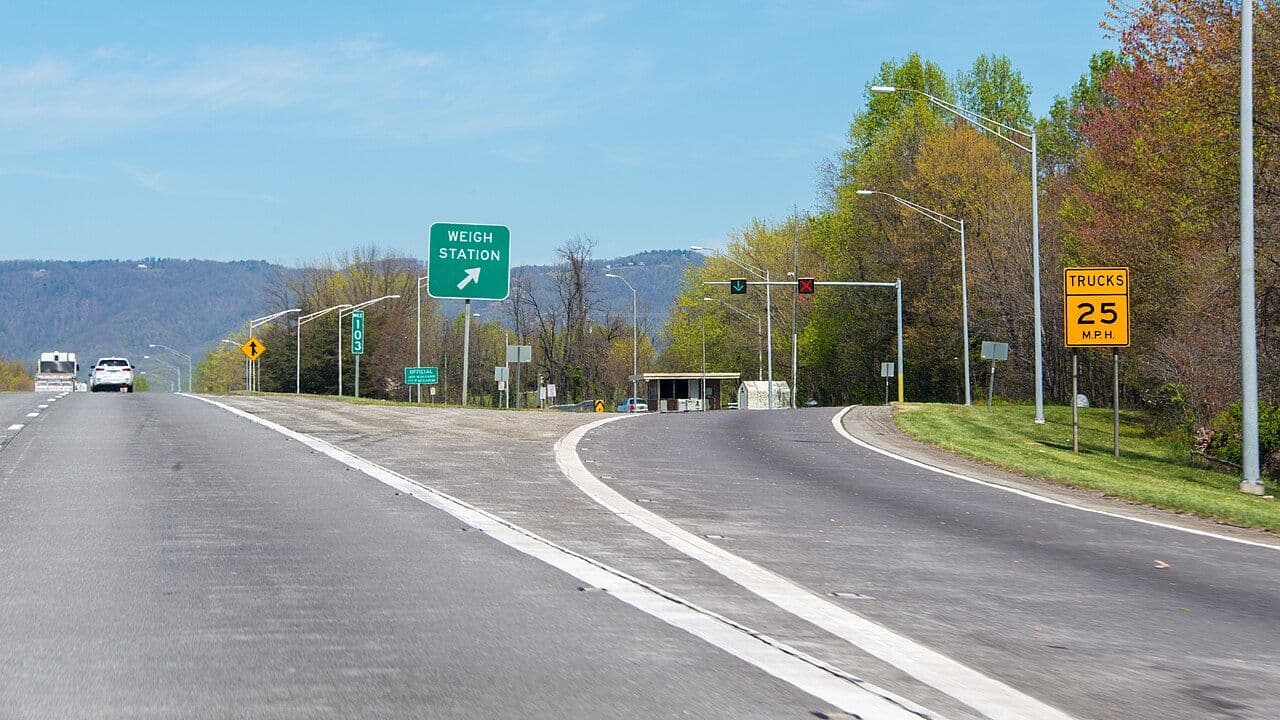
Immigration and Customs Enforcement (ICE) officers use highway weigh stations in Iowa as a point to identify and detain commercial drivers suspected of lacking legal immigration status. According to federal court documents and as reported by the Des Moines Register, the scheme is based on the interaction between ICE and the Iowa State Patrol (ISP): patrol officers stop trucks that bypass the weigh station, then direct the driver back to the weigh station where federal agents may be waiting.
According to court documents, this is not about isolated incidents but a recurring practice on routes, including I-80. The violation itself—bypassing the weigh station—is not considered an offense punishable by imprisonment under Iowa law. However, in court documents, such stops are cited as a starting point after which the driver may end up in immigration proceedings and detention.
In one example cited by the publication with reference to documents, on February 11, 2026, an ISP patrol officer stopped driver Suraj Vasal on I-80 for bypassing the weigh station. The case documents state that during the stop, an "immigration check" was conducted, after which ICE took the driver into custody directly during the roadside contact. He was then held in a temporary holding facility in the Neal Smith Federal Building and later transferred to the Polk County Jail, as noted by the Des Moines Register.
Another episode involves 22-year-old Pardeep Saini from Sacramento. According to court documents, he was stopped on I-80 in Jasper County, after which the patrol officer directed the driver to the weigh station where ICE was already present. The driver was fined for violating the weigh station procedure and then handed over to federal agents; he also ended up in Polk County Jail. This situation turned into a legal dispute: as the Des Moines Register writes, federal judge Rebecca Goodgame Ebinger demanded that the Department of Justice explain why Saini, according to the defense, is not being held unlawfully.
The publication also describes the case of California driver Navdeep Singh, who was stopped in November 2025 near Mitchellville after failing to stop at the weigh station. In the case documents, referenced by the Des Moines Register, he claims to have had a valid work permit and CDL, but after being handed over to ICE, he was placed in the Hardin County Jail and later denied bail.
Stay Updated with Industry News
Subscribe to our newsletter and get the latest trucking industry news, regulations updates, and career tips delivered to your inbox.
We respect your privacy. Unsubscribe at any time.
One of the points of contention in these cases is the interpretation of "community danger" when deciding on detention. In court documents, as recounted by the Des Moines Register, the federal side in some cases linked bypassing the weigh station with the argument of public safety risk to justify the need for detention without bail. The defense, in turn, argues that the weigh station is a tool for weight control and compliance, not a legal mechanism for incarceration for an offense that does not itself lead to arrest under state laws.
The interaction of the ISP with federal structures in the material is confirmed through a comment from a road patrol representative. ISP Public Information Officer Sergeant Alex Dinkla told the publication that the patrol cooperates with federal agencies, including ICE, "in accordance with the law"; however, the court documents describe specific stops where a "routine" weigh station check turned into handing the driver over to immigration agents, according to the Des Moines Register.
On the side of the defense and public organizations, the dispute hinges on the question: where is the line between the state's right to stop vehicles for violating weigh station requirements and using this basis as a "gateway" to immigration detention. David Goodner, Executive Director of the organization Escucha Mi Voz, in comments to the publication, links the events to a practice where a roadside stop for a non-arrestable violation can end with detention by ICE, as stated in the Des Moines Register.
A separate line of the publication covers the political-regulatory context in which weigh stations are beginning to be viewed more broadly than as infrastructure for mass control and compliance. The Des Moines Register mentions an initiative in Congress—the H.R. 5177 (WEIGH Act) bill, introduced by Congressman Byron Donalds. The publication describes an attempt to establish additional checks at weigh stations at the federal policy level: including checking commercial driver's licenses and confirming English language proficiency, as well as linking compliance with federal road program funding and state CDL administration powers.
The same materials provide data previously linked by DHS to "Operation Midway Blitz": it was claimed that there were 3,000 arrests, as well as episodes of interaction with Indiana police, where over 200 arrests were conducted in partnership, and 50 cases involved commercial drivers stopped, in particular, for weigh violations, writes the Des Moines Register. The material emphasizes that in Indiana, the cooperation had the character of expanded state powers in terms of immigration control, whereas in Iowa, the key element becomes the road stops and direction to the weigh station where federal agents are present at the specific moment.
The practical outline for carriers in these cases is described through a chain of events recorded in court documents: bypassing the weigh station—patrol stop—return to the weigh station—ICE document check—detention and delivery to the detention place specified in the case materials. In several described situations, this was accompanied by issuing a fine for violating the weigh station procedure, but the main consequence became the driver's immigration detention and related legal proceedings, according to the Des Moines Register.