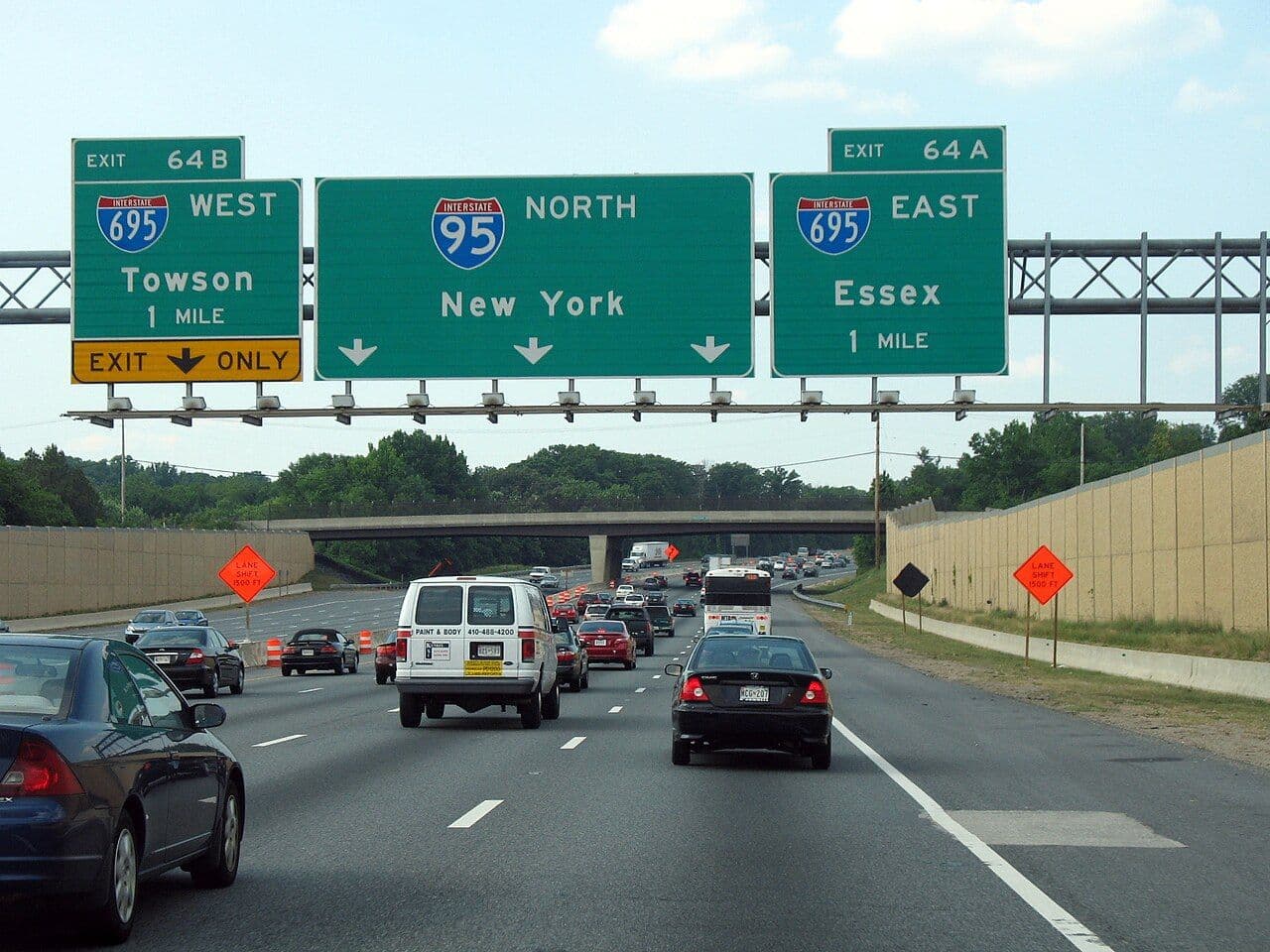
From midnight on April 1, a law comes into effect in Indiana that provides for the cancellation of commercial driver's licenses (CDL) issued by the state to people illegally in the country. This is reported by NewsNation, as well as in local media materials it references.
The mechanics of the new order are tied to immigration status verification: if a driver with a valid CDL cannot confirm legal residency and work rights, their right to operate commercial vehicles under an Indiana license will be terminated. According to the Indiana Attorney General's office, the measure will affect approximately 2,000 CDL holders, reports WSBT. A similar estimate is provided in a television report by the Indiana Motor Truck Association, as noted in CBS4.
The enforcement of the law is entrusted to Indiana's Bureau of Motor Vehicles (BMV). According to industry publications, the BMV must regularly cross-check information with the Department of Homeland Security (DHS) to identify cases subject to license revocation. In NewsNation, this approach is described as a "systematic status check" followed by the termination of CDLs for those who do not confirm their right to stay and work.
The law simultaneously tightens requirements for future applicants who are not citizens. The report by WSBT states that new non-citizen applicants must have one of "three accepted work visa statuses" (as phrased by the channel; specific visa categories are not listed in available materials). It also notes a separate set of English language requirements: applicants legally in the country will need to demonstrate English proficiency when applying for a CDL.
The authors and supporters of the law link the initiative to traffic safety and high-profile accidents. Jim Pressel, chairman of the Indiana House Roads and Transportation Committee and named as the initiative's author, stated in a comment to WSBT that this is the "first step" towards improving road safety and expressed the opinion that the measures will make companies "think twice" before sending drivers to Indiana. The CBS4 report indicates that the law was written in response to "notorious fatal accidents" in Indiana involving drivers without legal status; details of specific incidents are not provided in the sources presented.
Stay Updated with Industry News
Subscribe to our newsletter and get the latest trucking industry news, regulations updates, and career tips delivered to your inbox.
We respect your privacy. Unsubscribe at any time.
A key element for businesses is significant financial penalties for employing drivers without work rights. WSBT and NewsNation mention a $50,000 fine for companies that "knowingly" hire drivers illegally in the country. A separate focus is on the training pipeline: the television material by CBS4 and publications recounting the law's conditions mention a $50,000 fine for CDL schools that train or "lead" candidates who are clearly unsuitable by status to a license. WSBT emphasizes that the size of the sanctions is significantly higher than a number of civil fines familiar to the state.
Some provisions target not only Indiana licenses but also attempts to work in the state with "nondomicile" status documents from other jurisdictions. WSBT reports that using false credentials or fake documents for "nondomicile drivers" is subject to a $5,000 fine and a felony level 6 criminal classification. The same material uses the term "chameleon trucking companies," as used by Pressel, implying entities that change signs and registration traces to evade control; the publication does not provide details of specific investigations or cases.
In the public domain, the enforcement of the law is accompanied by harsh statements from the Attorney General. In a quote referenced in an interview with NewsNation, Todd Rokita says those violating immigration rules should "leave," but also points out the possibility of restoring rights for those who prove legal status and meet requirements, including English proficiency. This logic — "those mistakenly caught in revocation can regain their license" — is also reflected in explanations that after cancellation, an appeal procedure is provided if the driver believes the decision is incorrect or can confirm the necessary grounds, according to reports from NewsNation and WSBT.
Reports separately raise the issue of the practical application of the language requirement. WSBT and CBS4 point out that at the federal level, the English proficiency requirement for commercial drivers has existed for decades, but states enforce and verify it differently in practice; in Indiana, this requirement is now directly included in the licensing structure for some applicants.
Available sources do not include a separate official press release from the BMV, the Attorney General's office, or the text of the law listing visa categories and procedural details. Publications and reports rely on statements from the legislative initiator and comments from the Attorney General, as well as descriptions of how the BMV will cross-check data with DHS. The law's entry into force is tied to midnight on April 1, and from this moment, according to NewsNation and WSBT, CDLs falling under the "illegal residency" criteria should be considered terminated until the driver confirms their right to stay and compliance with other requirements.