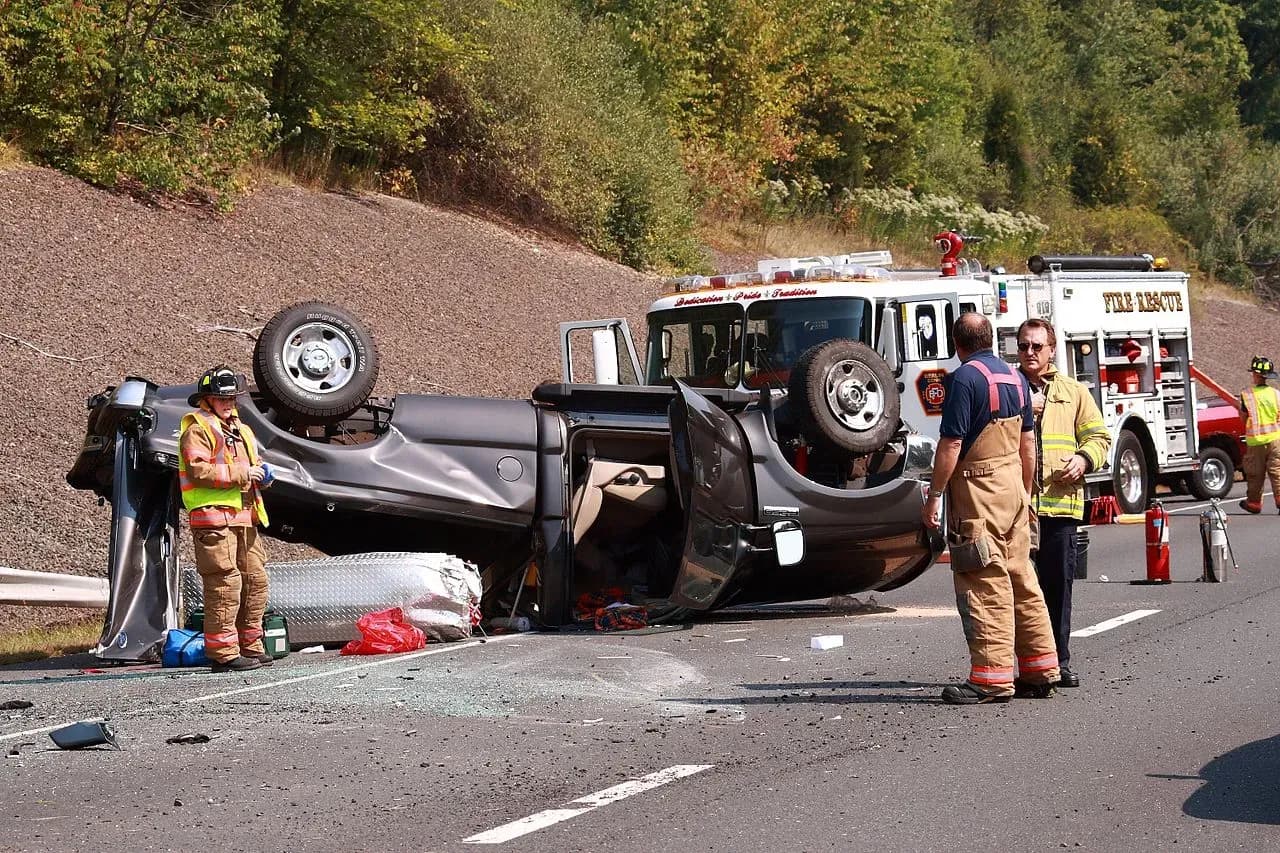
An investigation published by FreightWaves links a fatal multi-vehicle accident on I-10 near Beaumont (Texas) on April 15, 2023, to a chain of transportation organization decisions, which, according to the publication, began with a digital broker and ended with a tractor operating in the orbit of Gold Coast/DMG Consulting. As reported, 17 people were injured or killed in the accident; among the deceased was Brandon Rogers. His widow, Jennifer Rogers, is said to be left with three children.
The story revolves around a "failed" shipment and urgent power sourcing. It involves Ghost Energy drinks on the Arizona—Florida route, with Anheuser-Busch listed as the sender. According to FreightWaves, the initially assigned carrier did not show up, after which broker ArcherHub allegedly engaged a model for quickly "closing" such gaps. The publication emphasizes that such "pickups" are a key element of ArcherHub's positioning: quickly finding a tractor/driver to ensure the cargo still departs.
The focus is on the driver and his license status. According to the investigation, the truck was driven by Leander Sime, described as an immigrant with a temporary Florida Class A CDL. Specific dates are provided: the document was allegedly issued on January 3, 2023, and was valid until June 30, 2024. Restrictions on the category are also mentioned (including automatic transmission and corrective lenses requirement). Simultaneously, FreightWaves writes that the driver is under criminal charges; details of the charges and procedural documents are not provided in the text.
The carrier associated with the trip is named as Goldcoast Logistics Group — the trade name of DMG Consulting and Development Inc. (USDOT 2190975). FreightWaves indicates that the company was controlled by Dragos Sprinchana, and the truck is described as an 80,000-pound vehicle (standard full mass for a tractor-trailer in this segment). The key thesis of the material: during the carrier's check at the broker selection stage, "red flags" in FMCSA's open data could allegedly be seen, and the editorial calls this a matter of basic diligence when allowing loading.
The story then extends beyond a single accident and becomes a narrative about how, according to FreightWaves, a network of companies was built with "migration" of equipment and operational activities when regulatory and legal risks arose. The investigation uses the term "chameleon carrier" — a situation where, after sanctions or status deterioration, part of the fleet and business "moves" to new legal entities with different DOT numbers. Among the related or subsequent entities listed in the publication are Freight Transportation Group Inc. (FTGI), Goldcoast Carriers Inc., and several other names appearing in lien and financing records. The "career arm" of the broker itself — HickoryTranz LLC (USDOT 3033777) — is also mentioned, noted as a company with its own accident profile.
Stay Updated with Industry News
Subscribe to our newsletter and get the latest trucking industry news, regulations updates, and career tips delivered to your inbox.
We respect your privacy. Unsubscribe at any time.
The text also details the foreign aspect: FreightWaves writes about ArcherHub's significant operational presence in Chisinau (Moldova), including mentions of "ArcherHub Moldova" and an estimated staff of over 200 people working with the market remotely. Meanwhile, ArcherHub is registered in Colorado and publicly sells the image of a "digital broker" with quick access to power; the material includes a marketing claim of a "reserve fleet" of up to 50 tractors to prevent disruptions.
A separate line is the claims about the quality of the financial and insurance "contours," which, according to the investigation, allowed related companies to remain operational even as regulatory pressure increased. The material mentions RTS Financial (part of Shamrock Trading Corporation) and a chain of special trusts through which UCC lien interests were arranged, as well as Compass Funding Solutions, which allegedly later received an assignment on one of the liens and continued to be present in the financial infrastructure of "successor" companies. FreightWaves uses these elements to illustrate that access to factoring/financing and the ability to redistribute assets can exist alongside a deteriorating safety profile.
In terms of regulatory history, FreightWaves claims that DMG Consulting/Gold Coast received large penalty settlements with FMCSA for violations, including episodes related to allowing drivers without valid CDLs and violations of work and rest regulations, as well as a separate case mentioning a controlled substance. The publication cites a sum of $889,630 for two settlements and separately notes that the status of actual payment at the time of publication remained unclear due to awaiting a FOIA request response.
The date when Gold Coast, according to the material, lost the ability to operate is also mentioned: August 27, 2023 — revocation of authority/assessment of "Unsatisfactory" and "Unfit to operate," i.e., 134 days after the April accident. It is separately noted that on September 12, 2023, another independent out-of-service allegedly followed due to overdue fine payment. FreightWaves interprets this interval as a window when the company remained on the market after the tragedy and ties it to the question of how "right now" brokers should consider regulatory signals when selecting a carrier.
The legal aspect of the investigation revolves around a lawsuit in Jefferson County (Texas). FreightWaves writes about 17 plaintiffs and how the case is complicated by several factors: the driver's criminal prosecution, the involvement of a tour bus in the accident, and a dispute over the bill of lading, where Anheuser-Busch's name was allegedly listed as the motor carrier. The company, according to the publication, calls this a clerical error, but the issue has already become part of the legal proceedings. The material also mentions attorney Brian Beckcom (VB Attorneys, Houston), representing the plaintiffs' interests.
Simultaneously, the state's official statistics provide only a general background on traffic safety, not revealing specifics about the April incident. The TxDOT annual summary report states that in 2024, there were 4,150 traffic fatalities in Texas (a decrease of 3.29% from 2023, when there were 4,291), and the fatality rate was 1.35 per 100 million vehicle miles traveled; the report also lists 14,905 crashes with serious injuries and 18,218 cases of serious injuries for 2024 (TxDOT Crash Facts). TxDOT data on crash analysis and access to datasets are published through the Crash Data Analysis & Statistics page and the state's showcase on data.texas.gov, but these sources in open summaries provide aggregates rather than event cards, and do not confirm or deny the parameters of the accident from the investigation (e.g., number of injured/deceased, participants, or connection to specific companies).
The absence of public official press releases on the specific accident and companies referenced in the investigation leaves two parallel data realities in circulation: on one side — a detailed reconstruction of the order chain, power sourcing, carrier status, and related corporate-financial structure from the FreightWaves material; on the other — only the statistical context of road accidents available in official TxDOT summaries, including county-level breakdowns in annual table packages (TxDOT 2024, county data set and additional tables/slices), which do not allow "attaching" numbers to a specific event without access to primary reports.
As a result, in the public domain, the accident in Beaumont remains known in detail mainly through journalistic investigation: who was in the booking chain, how exactly the "failed" cargo was closed, which legal structure the tractor's work fell under, what status the driver had, and why — according to the publication — these elements should have been visible even before the vehicle was released on the route.