In Hendricks County, Indiana, west of Indianapolis, Freightliner truck driver Singh Sukhdeep was arrested in a fatal accident case. According to law enforcement sources cited by American media, the driver is an illegal immigrant from India and was handed over to the U.S. Immigration and Customs Enforcement (ICE) after his arrest.
The incident quickly moved beyond the realm of 'ordinary' road news. Public comments from federal agencies and the media's tone effectively integrate the accident into a broader debate about how commercial driving access is controlled in the U.S., what exactly is checked when issuing a CDL, and how effectively state databases and procedures 'connect' road safety with immigration frameworks. Details of the case and the federal response are provided in the Fox News publication.
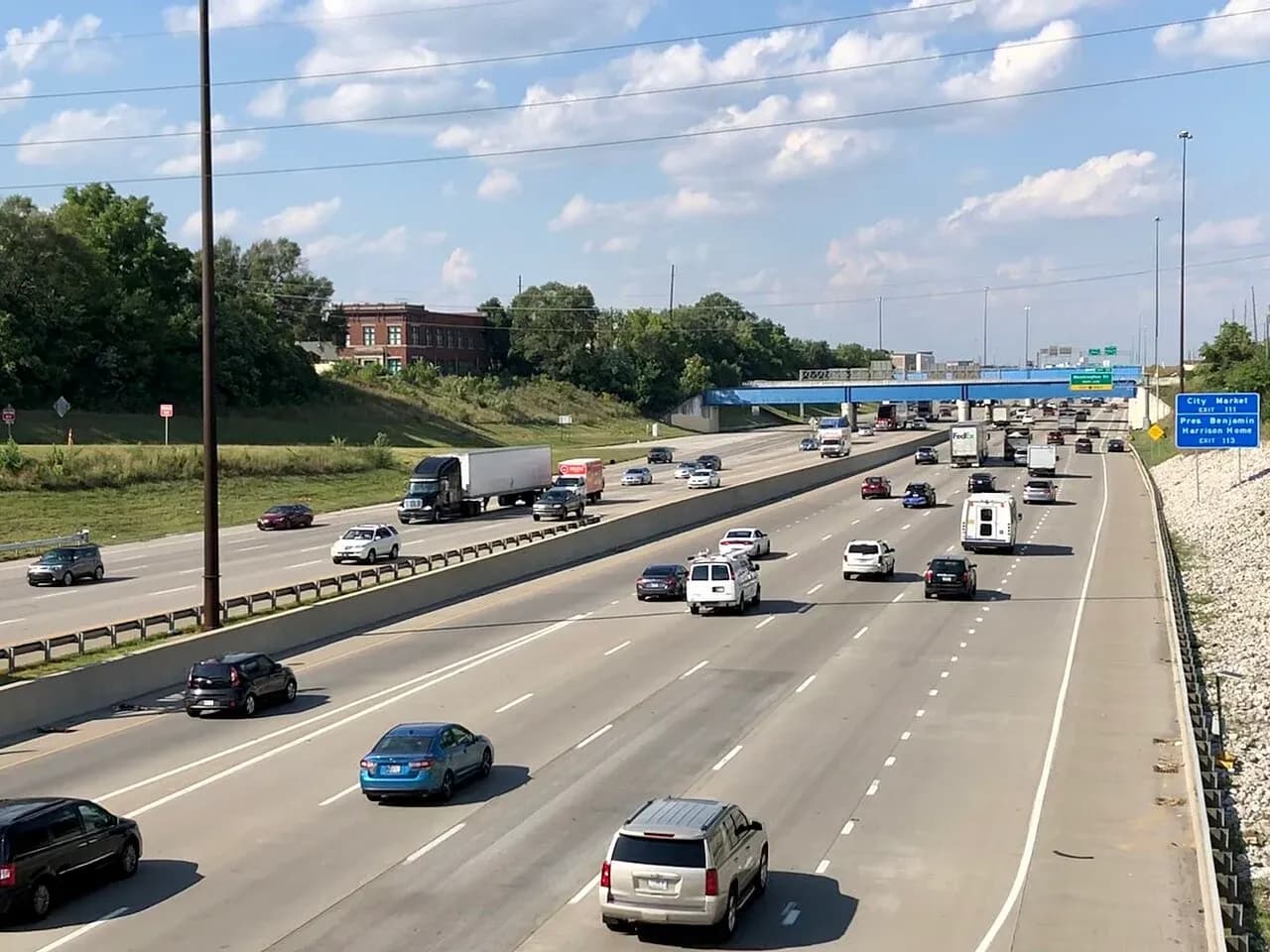
According to descriptions provided by American media, citing local broadcasters and witness testimony, the tractor-trailer driven by Sukhdeep ran a red light at a controlled intersection and collided with a Chevrolet pickup. After the impact, the pickup crossed the median and crashed into another vehicle.
The Chevrolet driver, 64-year-old Terry Schultz, died at the scene. For the trucking market, this is yet another instance where a 'failure point' — an intersection with traffic lights — instantly turns a local driver error into a chain accident with severe consequences, subsequent criminal risks, and systemic questions about the driver's access to the road.
According to media reports, Sukhdeep's arrest occurred on Wednesday (relative to the publication date). It is also noted that he obtained his commercial driver's license (CDL) in May 2025. For the industry, this detail is crucial: the focus is not only on road behavior but also on the trajectory of 'how a person with such status and background ended up in the driver's seat of a highway truck and passed through the licensing system.'
Stay Updated with Industry News
Subscribe to our newsletter and get the latest trucking industry news, regulations updates, and career tips delivered to your inbox.
We respect your privacy. Unsubscribe at any time.
In the version from federal sources presented in the media, Sukhdeep was detained in 2018 while crossing the border and subsequently released because he was a minor. This fragment draws old legal and political frameworks related to handling underage migrants into the discussion, but for the transportation audience, something else is more important: the chain 'entry into the country — presence in the U.S. — obtaining a CDL — working on a commercial vehicle' appears opaque and provokes questions about interagency data linkage.
The Department of Homeland Security (DHS), commenting on the situation in the media field, uses formulations about the 'preventability' of such tragedies and emphasizes two themes that have regularly surfaced in checks and legal proceedings around commercial drivers in recent years: knowledge of traffic rules and proficiency in English. In DHS's interpretation, this is not a particularity of a specific driver but a symptom of a broader problem — allowing people to operate commercial vehicles who, according to the agency, should not have been in the country or do not meet qualification requirements.