In 2025, a noticeable regulatory shift occurred in the American trucking industry: federal authorities announced the resumption of strict English language proficiency control for commercial truck drivers. This is not about a new rule, but rather a stricter enforcement of long-standing requirements that have been practically unenforced in recent years.
This topic has already sparked active debates among carriers, drivers, and industry associations — from safety arguments to concerns about staffing shortages.
At the end of April 2025, US President Donald Trump signed an order requiring the Department of Transportation and FMCSA to return to full enforcement of the English language requirement for CDL drivers. This refers to a standard enshrined in federal regulations (49 CFR §391.11), which requires that a driver must be able to:
- communicate with an inspector or police officer in English
- understand road signs and electronic displays
- respond to safety-related questions
- complete reports and official documents
Transportation Secretary Sean Duffy commented on this:
Stay Updated with Industry News
Subscribe to our newsletter and get the latest trucking industry news, regulations updates, and career tips delivered to your inbox.
We respect your privacy. Unsubscribe at any time.
“Road safety begins with basic mutual understanding. A driver must be able to understand a sign, an instruction, and a law enforcement officer.”
A detailed explanation of the agency's position is published by FMCSA in an official statement: FMCSA announces new English proficiency enforcement guidance.
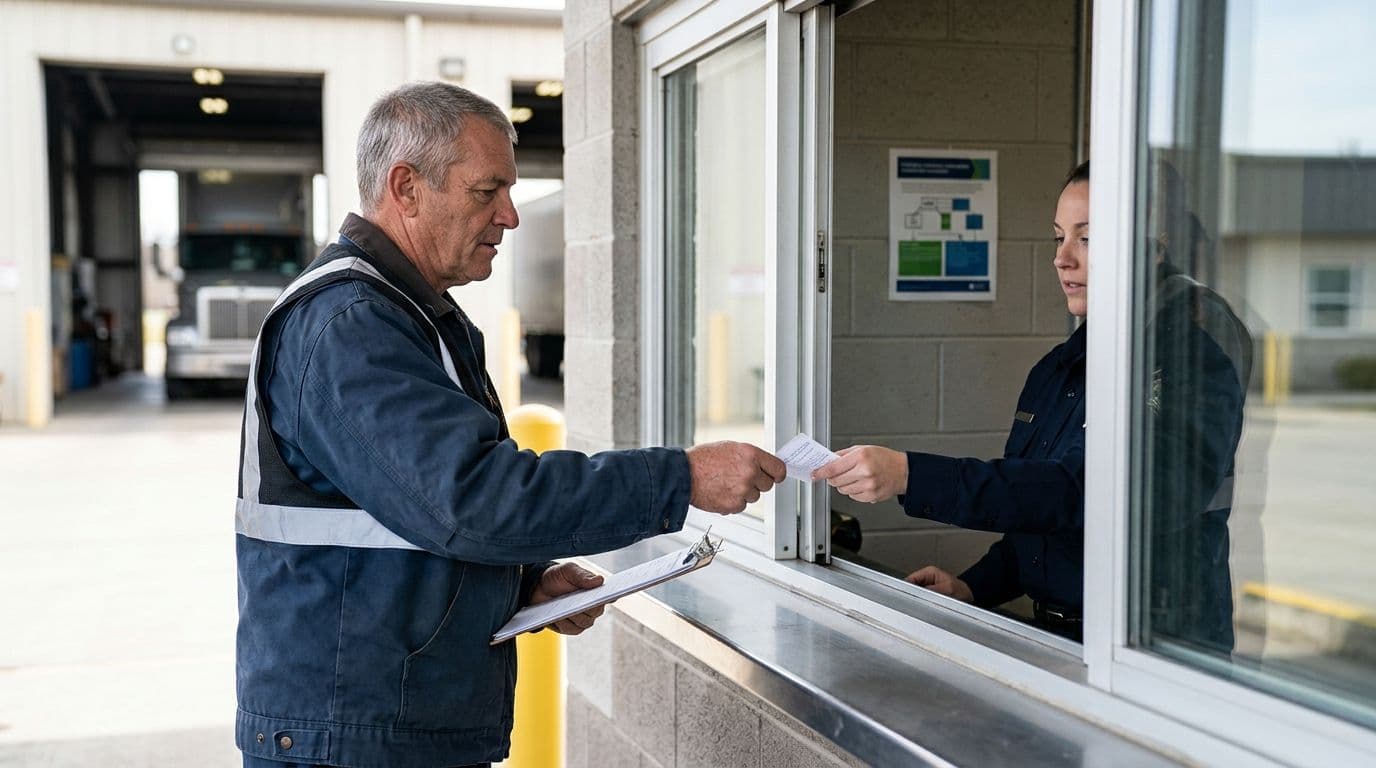
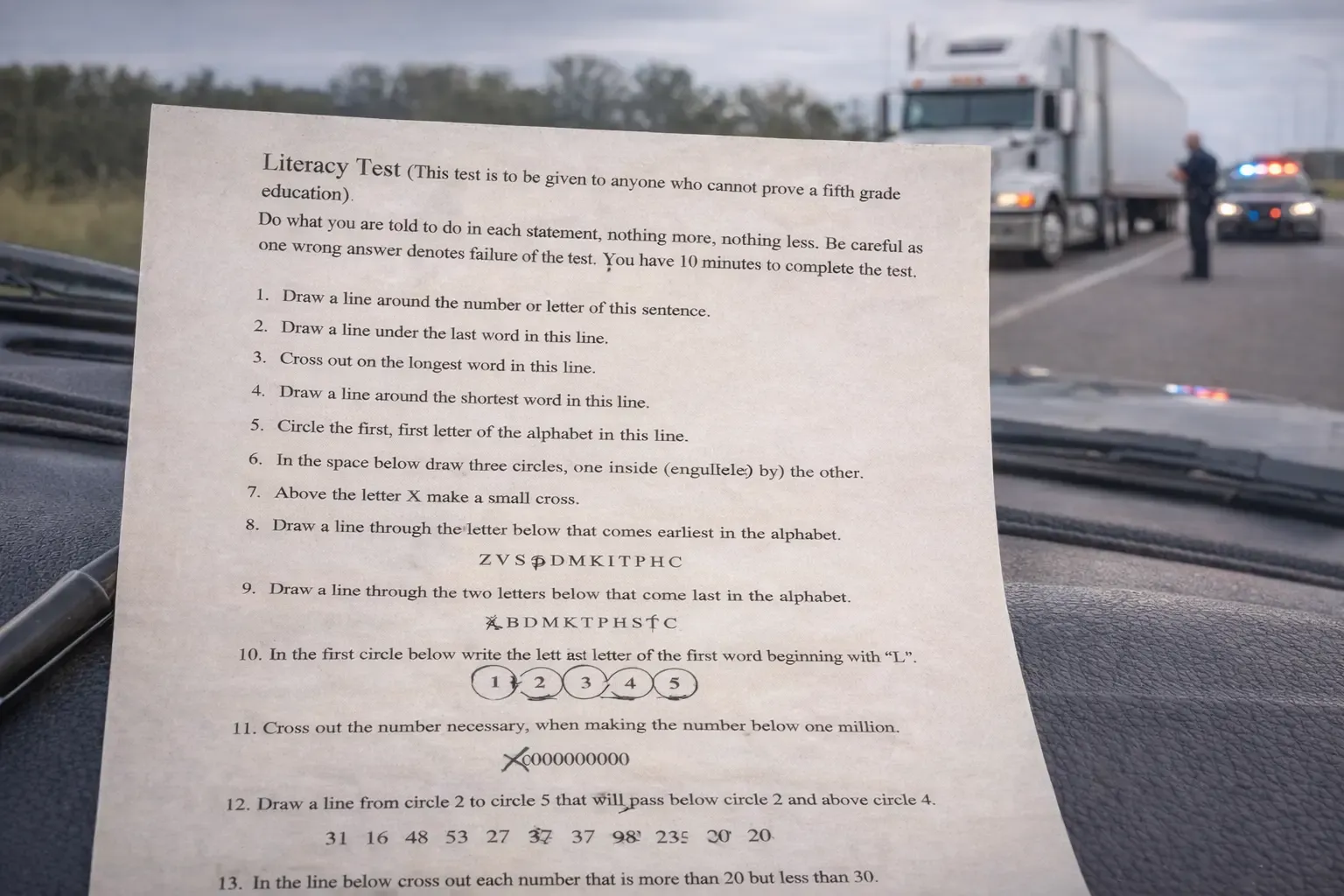
From May 2025, FMCSA issued updated instructions for inspectors. Now, road checks start in English by default. If the inspector has doubts, they can conduct a short test, including verbal communication and understanding of road signs.
An important point: insufficient English proficiency can be grounds for placing a driver out-of-service, effectively prohibiting them from continuing the trip until the violation is corrected. This is a significant departure from the practices of recent years.
Details of the procedure are covered by the industry publication: FMCSA reveals English language proficiency guidelines.
Major associations generally supported the authorities' decision. The American Trucking Association (ATA) stated that the issue of inconsistent enforcement of requirements has been discussed in the industry for years:
“This is not about discrimination, but about uniform and clear rules that are directly related to safety.”
At the same time, some drivers and human rights organizations fear that the new checks may disproportionately affect immigrants, especially those who have a valid CDL but use English limitedly in their daily work. This aspect is already being discussed in regional media and professional communities, including an analysis of the order's consequences: Trump pushes English proficiency in trucking.
In practice, the changes mean the following:
- carriers should check the English proficiency level of new drivers in advance
- training and instructions in English become critically important
- the risk of downtime due to out-of-service increases
- verbal checks on the road will be stricter and more formal
Meanwhile, authorities emphasize: the requirement has been in place for a long time, so formally the new measures are not a tightening of the rules, but a return to their original intent.
The strengthening of English language proficiency control is a signal that federal regulators are betting on basic communication as an element of road safety. For some, this is a step towards order and uniform standards, for others, a new barrier in the profession.
In any case, in 2025, English proficiency in the US trucking industry ceases to be a “desirable skill” and once again becomes a factor directly affecting the ability to go on a trip.