A high-profile criminal case continues in Ohio, significant for transporters: two law enforcement officers, part of federal task forces, are accused of unlawful detention and use of force against a truck driver who was legally in the country with valid documents. The incident did not occur on the road or at a weigh station, but the consequences for the industry are clear: any trip disruption due to an unjustified 'check' or detention instantly turns into downtime, HOS risks, and conflicts with the client.
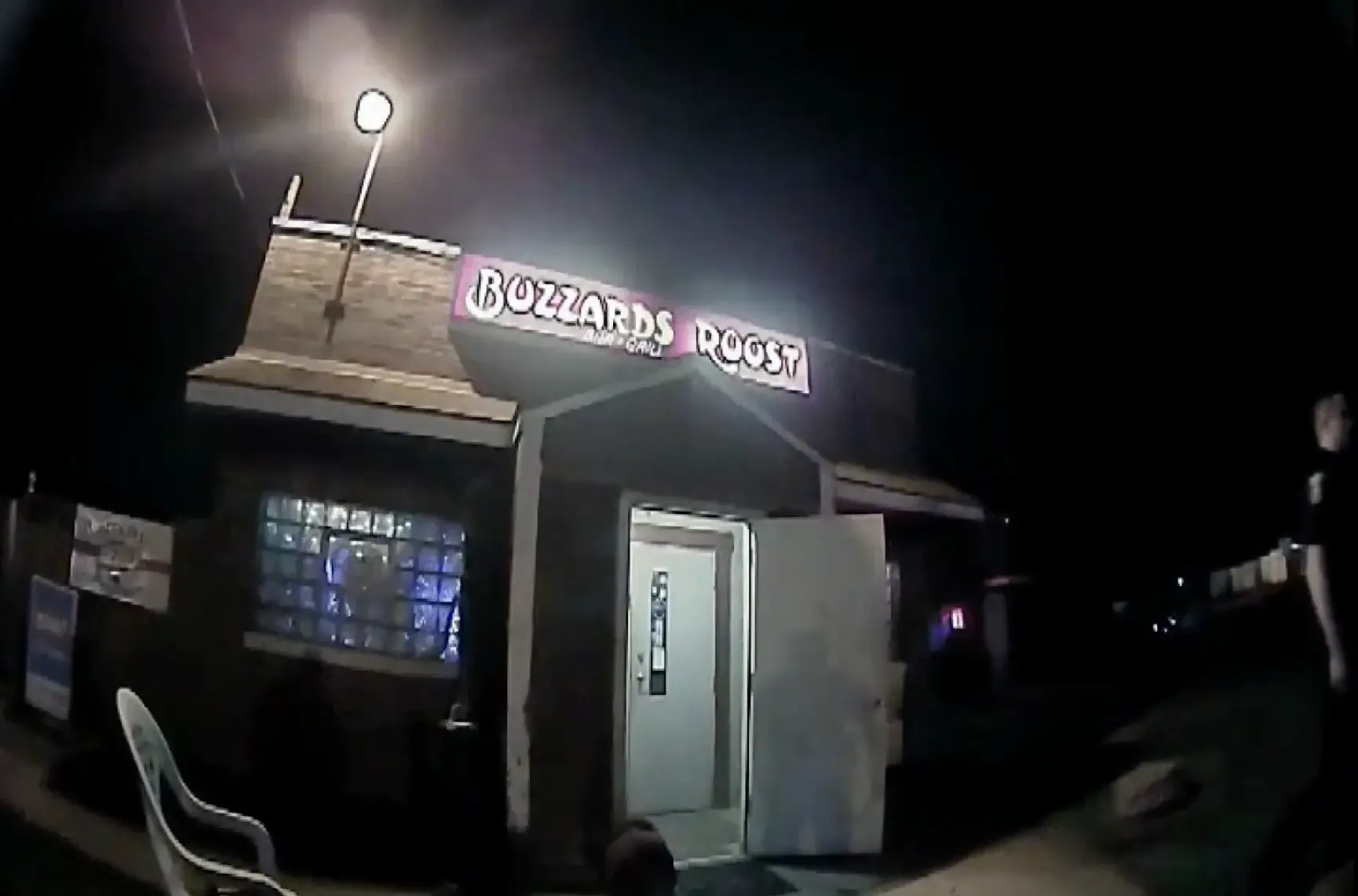
The events took place on April 26, 2024, in Hinckley Township (Medina County, northeast Ohio) at the Buzzard’s Roost bar. According to investigation materials and regional media reports, the two officers were off duty and consuming alcohol. They suspected a patron—a truck driver with Texas documents—of being in the U.S. illegally and initiated a 'self-arrest' that ended with physical restraint on the ground until local police arrived.
Public reports on the case emphasize: the individuals involved were not 'special agents' of federal agencies but local officers deputized into federal task forces.
One of the accused is Daniel LaJack, linked to work with the Lake County Narcotics Agency and participation in a group interacting with the DEA. The other is Detective Donald Kopchak, an officer with the Cleveland Division of Police, assigned to a task force associated with the ATF.
This nuance is crucial for transporters not as a legal subtlety but as a practical one: drivers and dispatchers often hear people with credentials say 'we're federal.' In reality, the scope of authority and responsibility may be distributed differently, and 'off duty' and 'after alcohol' create additional gray areas—around which the accusation is built.
Stay Updated with Industry News
Subscribe to our newsletter and get the latest trucking industry news, regulations updates, and career tips delivered to your inbox.
We respect your privacy. Unsubscribe at any time.
The summary picture is as follows: the truck driver (whose name is not publicly disclosed) was in the establishment, after which the two officers took him outside. According to the prosecution, they held him by force and pinned him to the ground until local police arrived. Reports mention that the officers claimed his 'illegal' status and even alleged inclusion in 'terrorist lists.'
A separate layer involves bodycam footage from the arriving police officers. Media reports based on these recordings express direct dissatisfaction with the actions of their 'federal' colleagues and emphasize that the participants had been drinking. For the industry, this is essentially an illustration of the most unpleasant scenario: a driver with valid documents gets into a conflict that escalates outside formal procedure.
The driver is described as a legal immigrant from East Africa, having lived in the U.S. for about 14 years. Different publications use different terms: some call him of Eritrean descent, others a refugee from Ethiopia. These versions are not necessarily mutually exclusive, but the fact of discrepancies is indicative: in such stories, a person's origin often becomes part of the narrative even before basic facts are confirmed.
The key for the transportation market is different: according to regional editors, the driver had a valid Texas CDL (in some accounts referred to as 'Texas ID,' but more often as a commercial license). This means it's not a dispute over 'who he is and where he's from,' but a situation where a driver with a valid license and status was effectively taken off a route due to erroneous (or biased) 'illegal identification.'
Both individuals face serious charges at the Ohio state level: two counts of felony abduction (kidnapping/unlawful restraint in a qualified form), one count of felony ethnic intimidation, and misdemeanor assault. These formulations are repeated in several independent sources.
It is specifically noted that the Medina County prosecutor previously attempted to initiate a federal legal assessment, including possible civil rights violations, but the federal level, according to media reports, did not take the case for prosecution, after which charges proceeded through the local grand jury.
Personnel consequences began long before the trial. Kopchak was restricted in his duties and removed from participation in the ATF task force after the incident; after charges were filed, the Cleveland Police Department placed him on unpaid administrative leave. This line is confirmed by the department's official position in a publication on its website: Cleveland Division of Police announced the placement of Detective Donald Kopchak on unpaid administrative leave following notification of the indictment.
Regarding LaJack, public reports noted his dismissal/resignation from the Lake County Narcotics Agency (at the end of 2024). Meanwhile, there are discrepancies around the court schedule for early 2026. Some publications claim he pleaded guilty to all charges and waived trial, while others expected a change of plea at the hearing, and the defense for the second individual sought a hearing postponement. Regional editors wrote in February 2026 in terms of 'expected' and 'requested continuation,' without a final point on the verdict and dates.
One of the most comprehensive recaps of the case chronology and the statuses of the individuals involved is published in an industry media: CDL Life describes the charges, the episode with the driver's detention, and subsequent procedural events.