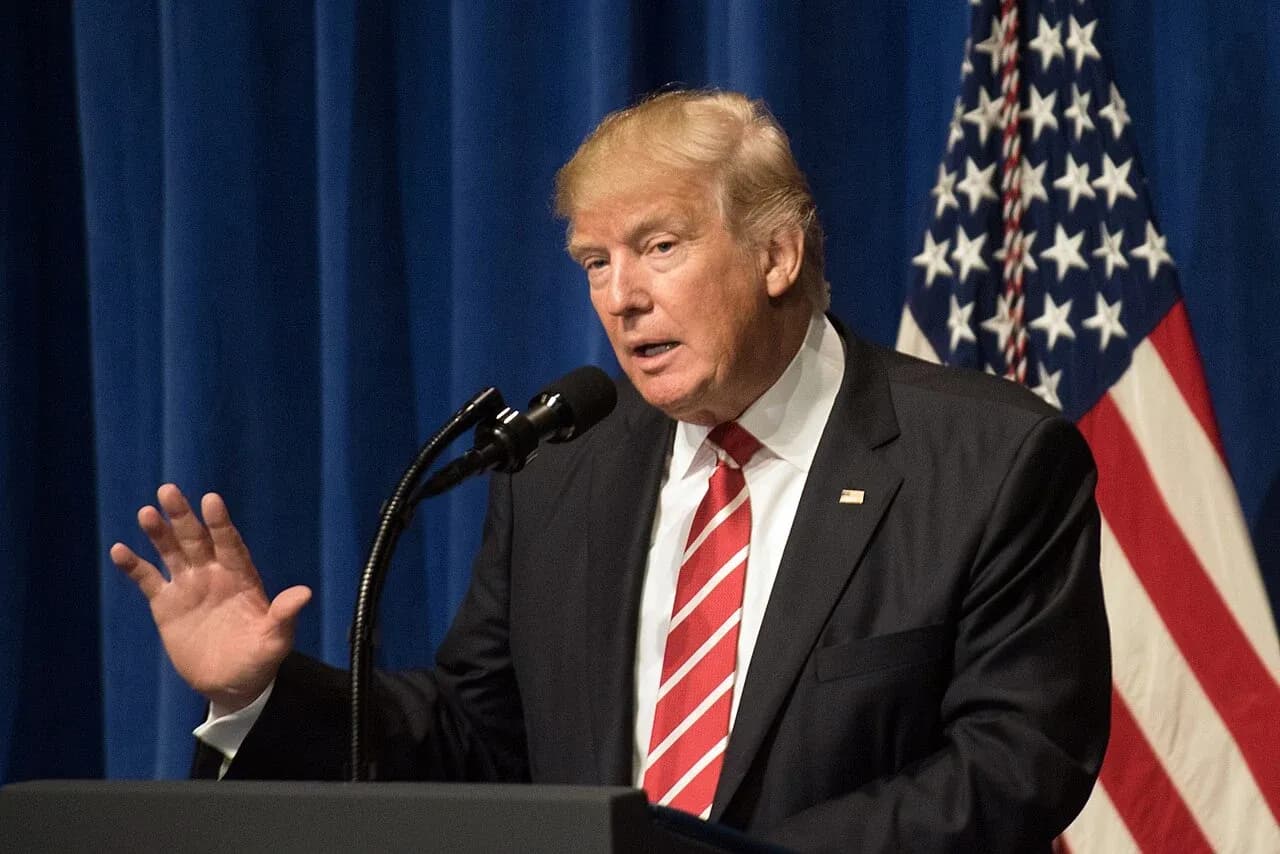
During a speech to Congress on February 24, U.S. President Donald Trump publicly urged lawmakers to pass a federal act prohibiting states from issuing commercial driver's licenses (CDL) to people in the country illegally. He proposed the initiative as a separate law called the 'Dalilah Law,' named after Delilah Coleman, whose story was used as an emotional justification for tightening rules on operating heavy trucks.
The next day, February 25, Senator Jim Banks (Republican, Indiana) introduced a bill in the Senate that expands on the president's idea and turns it into a set of federal conditions for states. The key pressure mechanism is linking compliance with the new requirements to states receiving funding from the U.S. Department of Transportation (USDOT). From an industry perspective, this is an important detail: instead of a direct 'federal takeover' of DMV powers, the bill offers a financial lever capable of quickly aligning rules across different jurisdictions while simultaneously provoking resistance at the state level.
In the presentation of the initiative, which followed the bill's introduction in the Senate, the 'Dalilah Law' sets a federal 'filter' for the issuance and retention of CDLs. Essentially, it involves two parallel tracks: who can obtain a CDL at all, and what to do with already issued licenses for certain categories of holders.
Trump named the initiative after Delilah Coleman—a girl injured in a tractor-trailer accident. According to the description, the crash occurred in June 2024: a semi-trailer driven by 20-year-old driver Partap Singh collided with a stopped vehicle in which Delilah was present. The child suffered a severe head injury and reportedly spent three months in a coma. She later survived and is now in first grade; she attended the speech to Congress with her father.
The materials surrounding the initiative also mention that Singh was deported to India in September 2025. This detail is used by the bill's supporters as confirmation of the need to 'close loopholes' in CDL access and strengthen status checks.
Stay Updated with Industry News
Subscribe to our newsletter and get the latest trucking industry news, regulations updates, and career tips delivered to your inbox.
We respect your privacy. Unsubscribe at any time.
For the freight market, such cases always have two layers. The first is tragedy and public pressure demanding a simple and harsh response. The second is the question of which elements of the chain allowed the driver to take the trip: immigration status, training quality, qualification checks, carrier safety culture, regulator oversight, medical clearances, compliance with work and rest regulations. The 'Dalilah Law' focuses primarily on status and exam language—meaning the entry barrier to the license, rather than subsequent oversight of the carrier and driver.
Support for the initiative was voiced by OOIDA (Owner-Operator Independent Drivers Association). The organization traditionally takes a tough stance on issues of standardizing training requirements, checks, and rule compliance, and here emphasizes that unified, stricter requirements for CDL issuance and language competence, in their opinion, enhance safety and reduce the scope for abuse.