USPS CEO David Steiner warned Congress that the agency is running out of money, and without legislative action, USPS could face a situation where it may not be able to pay bills or fulfill obligations within the next 12 months. This was reported by ABC News, published ahead of the House hearings.
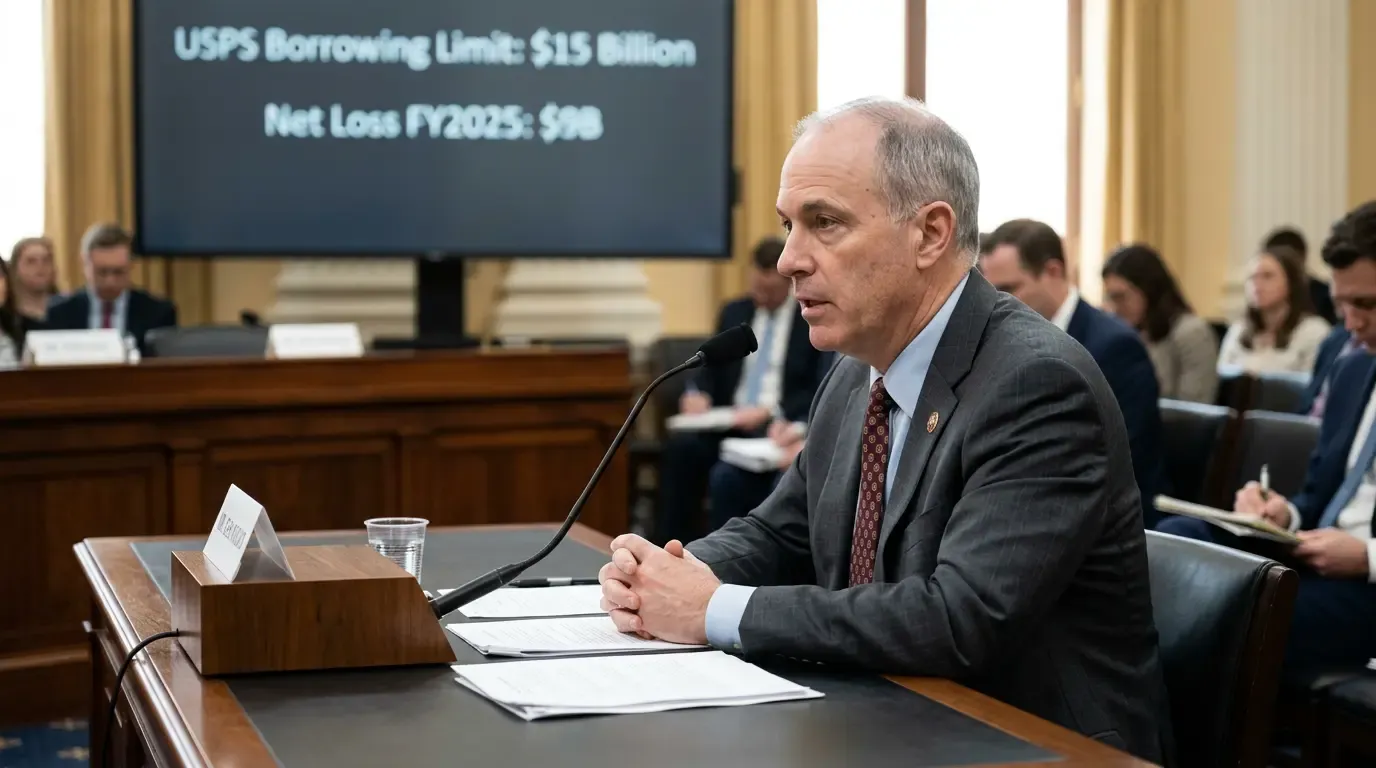
Steiner's key demand is to remove or raise the statutory borrowing limit for USPS to $15 billion. This ceiling has been in place since 1990 and, according to the leader, no longer matches the scale of obligations and cash flows of the service. In ABC's account, he directly linked financial stability to the ability to borrow from the Treasury and how rate policy is regulated: according to him, "if" the Postal Regulatory Commission (PRC) adopted the pricing model proposed by USPS, it would "solve" the problem. At the same time, Steiner insists on revising regulatory requirements that, in his view, prevent the agency from even breaking even while maintaining the obligation to deliver mail and parcels nationwide.
The warning came amid another loss-making year. ABC reports that USPS's net loss for the fiscal year 2025 was $9 billion—less than $9.5 billion the previous year, but still at a level that undermines liquidity. The same material cites Steiner's assessment that over the past 15 years, USPS has "evaporated" $86 billion in revenue—a formulation reflecting not a single failure but the cumulative effect of changing demand for traditional postal services.
Steiner links financial pressure primarily to a structural shift: a sharp decline in mail volumes while maintaining universal service obligations. According to ABC, the total number of mailings has halved over two decades: from about 220 billion units to around 110 billion. This aligns with the thesis that maintaining an extensive network with declining "written" volume is becoming more expensive, and bridging the gap with parcels alone is difficult due to the more competitive parcel segment economy and "last mile" costs.
A separate block of Steiner's complaints is addressed to the rate regulator. ABC's publication emphasizes that USPS leadership considers the PRC a factor that effectively limits the ability to raise prices and thus close the gap between revenue and costs. In practice, the dispute boils down to how flexibly USPS can revise rates for core services and how quickly this can be done without violating established rules and "affordability" frameworks for the population and businesses.
Stay Updated with Industry News
Subscribe to our newsletter and get the latest trucking industry news, regulations updates, and career tips delivered to your inbox.
We respect your privacy. Unsubscribe at any time.
In the discussion about the revenue base, Steiner also raises the issue of stamp cost. According to ABC, the current base stamp costs 78 cents, and the head of USPS spoke of raising it to 95 cents. He uses this thesis as an illustration of the choice, which, according to him, lawmakers face: either allow a more noticeable increase in service prices, provide external support (direct or indirect), or change the rules so that the agency can "breathe" like a commercial organization with government obligations.
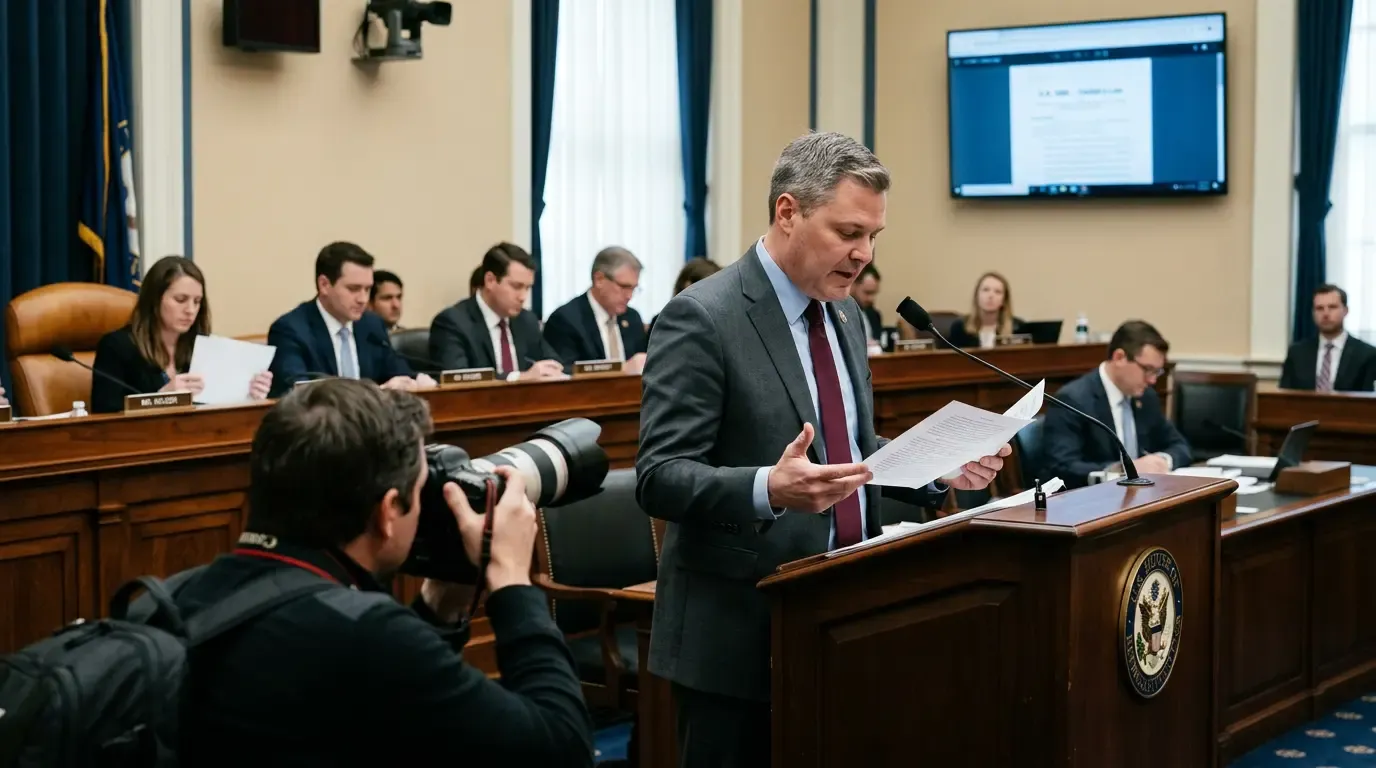
Lawmakers, in turn, have already indicated that automatic approval of debt expansion will not happen. The House Oversight and Government Reform Committee announced hearings on March 17 titled "Oversight of the U.S. Postal Service: The Financial Future Under Postmaster General Steiner." The committee's release states that the task is to review the financial position and assess whether "USPS is reliable enough for Congress to allow it to borrow more money from the Treasury Department." This is how the agenda is formulated in the press release published on the committee's website: oversight.house.gov.
The context surrounding Steiner draws the attention of delivery and contract logistics markets to these hearings. ABC reminds that he took office last summer, previously led a waste management company, and served on FedEx's board of directors. For some lawmakers and market participants, this means the leader comes with experience in competitive service industries and may be inclined towards more stringent "commercial" approaches to costs and rates, but at the same time faces constraints enshrined in law and through the PRC.
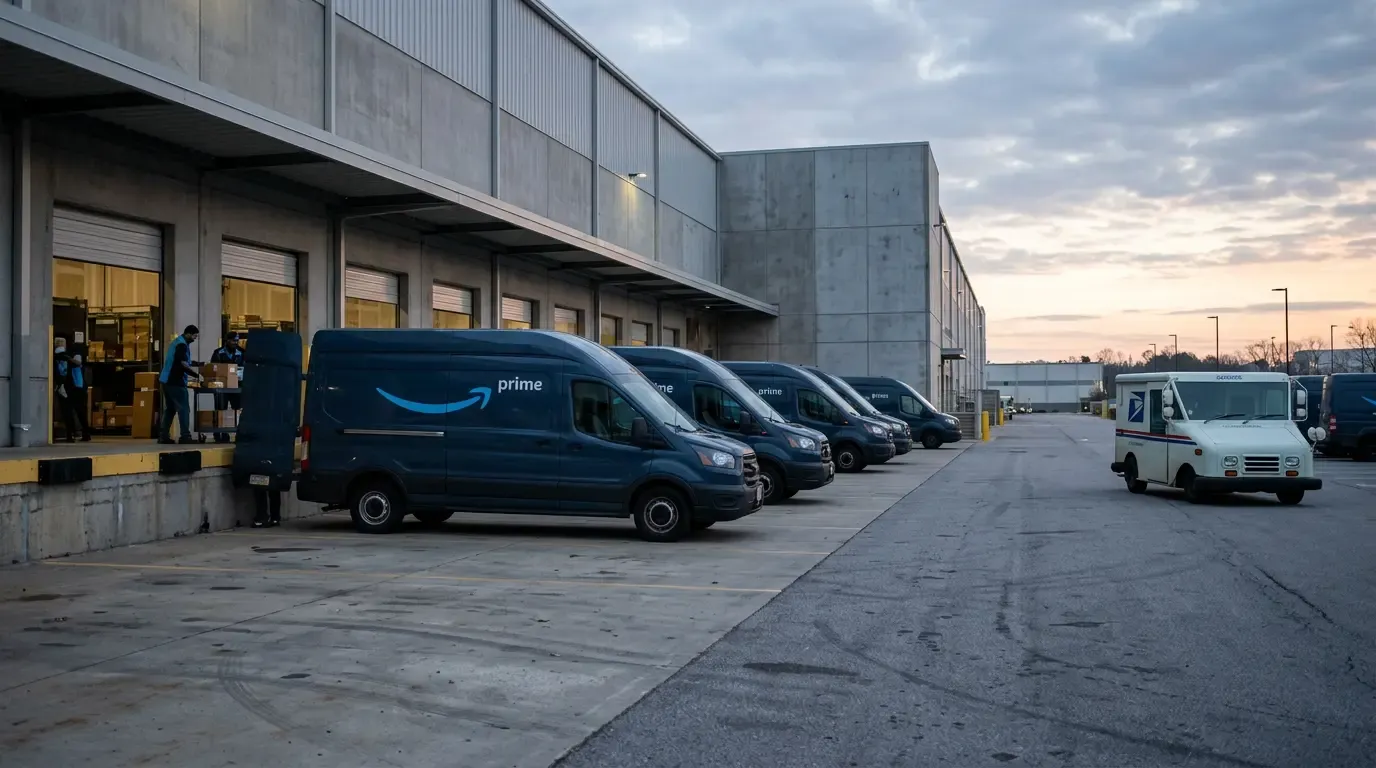
For ground transportation operators and USPS contractors, the news is important not for its political undertones but for the likelihood of payment discipline disruptions and procurement issues amid deteriorating liquidity. ABC's material is formulated very directly: if the money runs out, USPS may find itself in a position where it has to choose which obligations to fulfill first—payroll, supplier settlements, debt servicing, maintaining transport contracts. USPS's contractor base includes a wide range of suppliers—from mainline transportation and "trailer" lines between sorting centers to local routes and processing and delivery services, and any cash flow compression quickly transforms into a revision of payment terms and schedules.
At the same time, Steiner himself, as presented by ABC, positions the situation as solvable with changes in financing and regulatory parameters: expanding the borrowing limit, reworking tariff approaches, and updating rules that, according to management, force USPS to act as an agency with a government mandate but without sufficient tools to cover costs. The congressional hearings on March 17, judging by the committee's wording, will revolve around the question of trust in USPS's financial management and the justification for the request for access to a larger volume of Treasury borrowing, as well as why the current model continues to generate multi-billion dollar losses amid declining mail volumes.
Parallel to this dispute, a broader question remains open about how universal delivery should be paid for amid the ongoing decline in traditional postal demand. In the version of events presented by ABC, Steiner essentially reduces the choice to three directions: either cut services, raise prices/provide external funding, or change regulatory frameworks so that USPS can more quickly and flexibly adjust service economics to real demand.