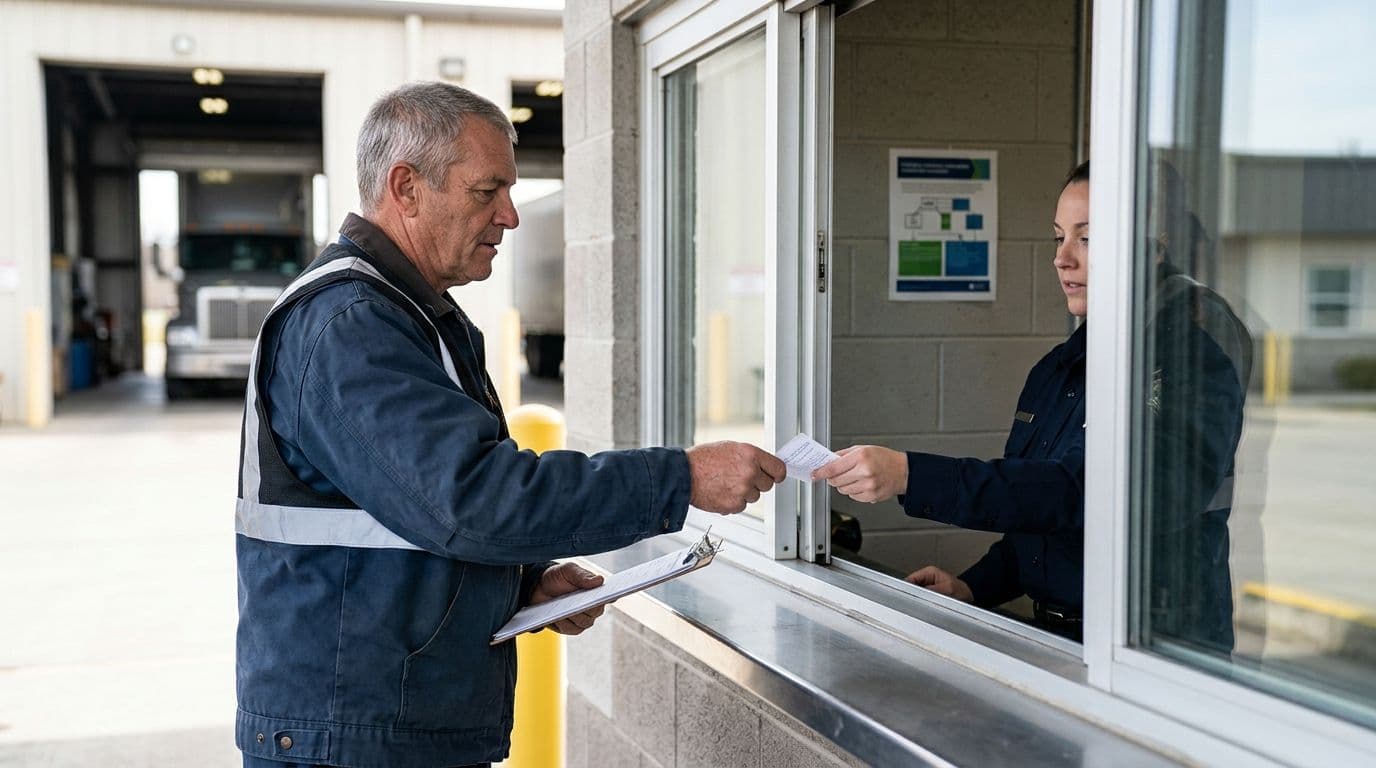

The Wyoming legislature is reviewing HB 32, which addresses the practice of controlling English language proficiency requirements for commercial vehicle drivers. The key innovation is that the right to check compliance and issue fines is proposed to be given not only to Wyoming Highway Patrol officers and specially appointed inspectors but effectively to all state law enforcement, including municipal and county officers.
According to the bill's text, the English proficiency requirement is established through a direct reference to the federal regulation 49 C.F.R. § 391.11(b)(2): the driver must be able to communicate with the public and inspectors, understand road signs and signals, respond to official inquiries, and complete mandatory records and reports. Thus, the state does not introduce its own standard but expands the circle of officials authorized to apply the existing federal requirement while establishing sanctions at the state legislative level.
The bill passed the relevant committee and was submitted for consideration by the House of Representatives during the 2026 session. The document indicates the proposed effective date as July 1, 2026 — if adopted and signed by the governor.
Stay Updated with Industry News
Subscribe to our newsletter and get the latest trucking industry news, regulations updates, and career tips delivered to your inbox.
We respect your privacy. Unsubscribe at any time.
According to Cowboy State Daily, the initiative aims to expand the powers of state law enforcement in controlling English proficiency requirements and provides for the possibility of imposing fines and temporarily banning the operation of a commercial vehicle upon violation. More details can be found in the Cowboy State Daily publication
Currently, in Wyoming, ELP control practice is largely tied to the Wyoming Highway Patrol (WHP) and those officers who have federal inspector certification (essentially, people who regularly conduct commercial inspections). HB 32 proposes to expand powers: checks can be conducted by "any" state law enforcement officers, including local police and sheriffs. In terms of operational risks for carriers, this means not an increase in the strictness of the standard itself, but an increase in the number of contact points where the standard can be applied.